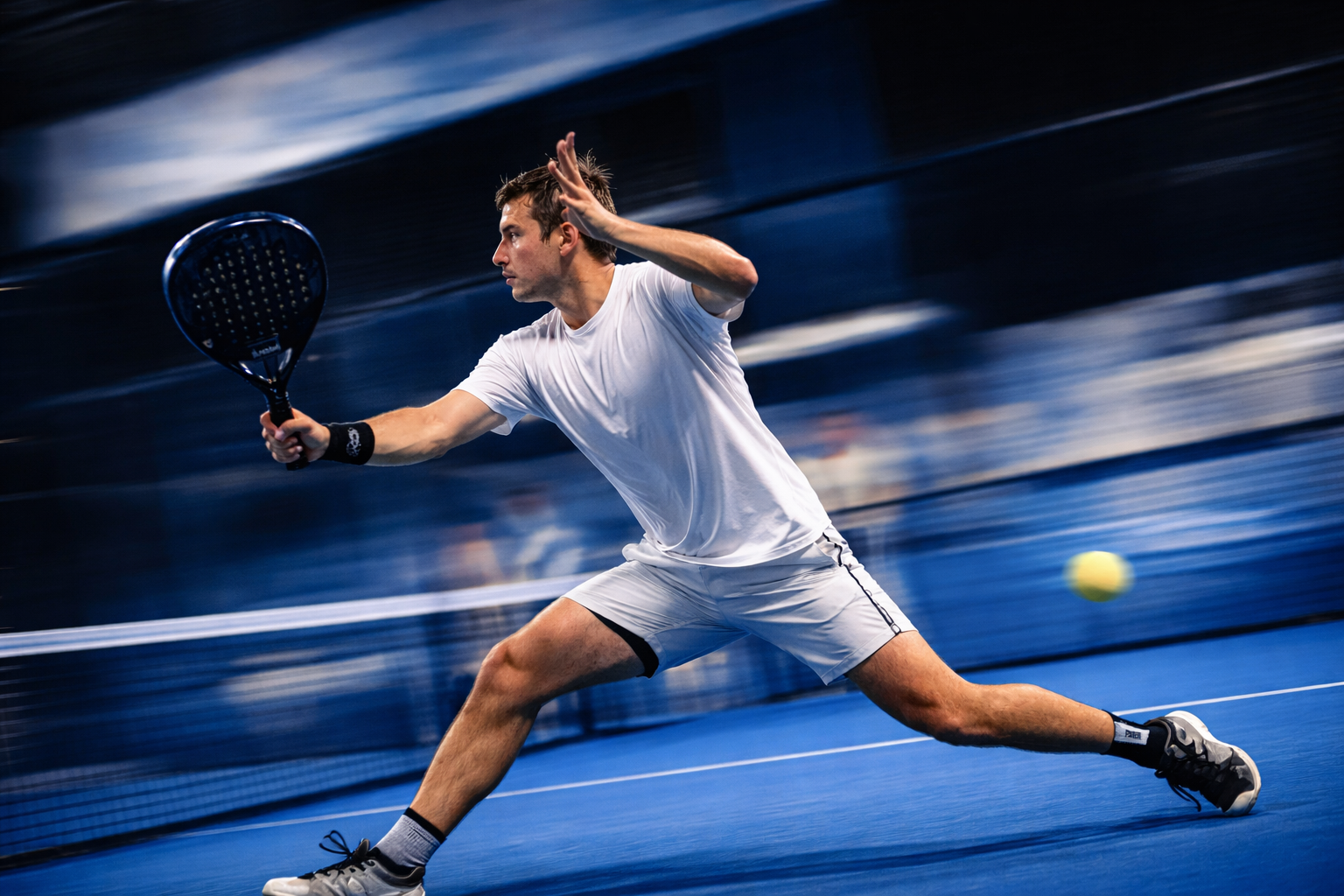


Build a strong foundation first
To achieve significant improvement in your game, prioritizing the fundamentals is essential. Mastering the basic techniques of your forehand, backhand, and serve lays a strong foundation for every other aspect of your performance on the court. Rather than hastily diving into complex and advanced shots, investing time in cultivating clean, controlled movements allows you to build a reliable skill set that can be easily replicated under pressure.
When your grasp of the basics is solid, the benefits are manifold. Enhanced fundamentals lead to better positioning during rallies, enabling you to respond more effectively to your opponent's shots. As you develop a deeper understanding of these core skills, your confidence will naturally increase, allowing you to approach each match with a sense of assurance. Furthermore, a strong foundation reduces the likelihood of errors, as you become more adept at executing your shots with precision and consistency.
By concentrating on honing these fundamental skills, you create a positive feedback loop: improved performance boosts your morale, which in turn motivates you to continue refining your technique. This disciplined approach ultimately makes it easier to integrate more advanced strategies into your game when you’re ready, and ensures that your overall performance remains resilient and adaptable in competitive scenarios.
Train with intention, not just repetition
Merely stepping onto the court for practice won't lead to significant improvement if your training lacks a focused objective. Players who see rapid progress typically engage in drills and exercises with a distinct aim in mind. Each practice session should zero in on a specific element of the game, whether that be enhancing ball control, refining positional awareness, or honing decision-making skills under pressure.
By adopting this targeted approach to training, you can break free from the repetitive cycle of making the same mistakes. Instead, you'll find that each session becomes an opportunity for substantial growth, allowing you to make meaningful strides forward in your performance.
Turn match play into a learning tool
Matches serve as the critical juncture where all your training and preparation coalesce. While dedicated practice is essential for honing your technique and building foundational skills, it is during matches that significant progress truly occurs. Competing in real-time scenarios introduces an element of pressure that challenges you to implement what you’ve learned in a dynamic environment.
Regular match play not only enhances your physical abilities but also cultivates your understanding of the game. It allows you to read various situations as they unfold, anticipate your opponent’s strategies, and make informed decisions under duress. The experience gained during these competitive moments is invaluable, as it sharpens your instincts and improves your overall game awareness.
Rather than focusing solely on the outcome of winning, it’s beneficial to approach matches with a mindset geared towards self-discovery. Use each game as an opportunity to assess your performance: recognize your strengths, whether it be your agility, strategy, or shot accuracy, and pinpoint specific areas where you may need to improve, such as positioning or decision-making. Embracing this analytical perspective can lead to more meaningful growth as an athlete, ultimately elevating your performance in future matches.
Learn to use the walls with confidence
One of the most notable distinctions between padel and other racquet sports, such as tennis or squash, is the strategic integration of walls in gameplay. While novice players may initially shy away from utilizing these walls, often viewing them as obstacles, seasoned players understand their immense potential and advantages. Mastering the use of walls is key to enhancing your gameplay. When you learn to remain composed and allow the ball to rebound off the glass, you actually create more time for yourself to react. This calm decision-making provides a broader range of options in your shots, enabling you to control the pace and direction of the game.
As you become more adept at using the walls, you will undoubtedly observe a marked improvement in your defensive strategies. Your ability to read the game and anticipate your opponent's moves will become sharper, leading to better overall court control. The walls not only serve as an extension of your playing area but also open up new avenues for creative shot-making and positioning. Embracing this aspect of padel can transform your performance and elevate your enjoyment of the sport.
Consistency creates winning opportunities
In the sport of padel, maintaining consistency frequently proves to be more advantageous than relying solely on aggressive plays. Players who focus on keeping the ball in play and minimizing unnecessary risks often find greater success in accumulating points over the course of the match. Engaging in long rallies should not be seen as a drawback; rather, these extended exchanges provide a valuable opportunity to exert pressure on your opponent and patiently wait for the ideal moment to strike. As you work on refining your consistency, you'll notice a significant boost in your confidence levels. This newfound assurance allows you to take greater control over the pace and rhythm of the game. When you become adept at placing the ball accurately and ensuring it stays in play, you are not just defending; you’re setting the stage for your opponent to make mistakes. With practice and perseverance, you can turn consistency into a powerful weapon, leading to more strategic game play and ultimately, more victories on the court.
Final thoughts
Enhancing your padel game more quickly involves a strategic approach that emphasizes working smarter rather than simply putting in more hours. Focus on mastering the fundamental skills of the game — this means paying attention to your grip, footwork, and shot selection. By prioritizing these core elements, you lay a strong foundation for your overall performance.
Additionally, train with clear intent. This means setting specific goals for each practice session, whether it's improving your serve, perfecting your volleys, or developing your defensive play. Use drills that simulate real-match situations to ensure that you’re not just going through the motions, but actively applying what you’ve learned in a game context.
Lastly, embrace every match as a learning opportunity. After each game, take the time to reflect on what went well and what could be improved. Analyze your decisions on the court, and consider seeking feedback from coaches or more experienced players. This reflective practice helps you identify patterns in your play, turning mistakes into valuable lessons that contribute to your growth as a player. By adopting this comprehensive approach, you can accelerate your development and become a more confident and well-rounded padel athlete.
.png)



.svg)
.svg)