
.png)
Why training matters
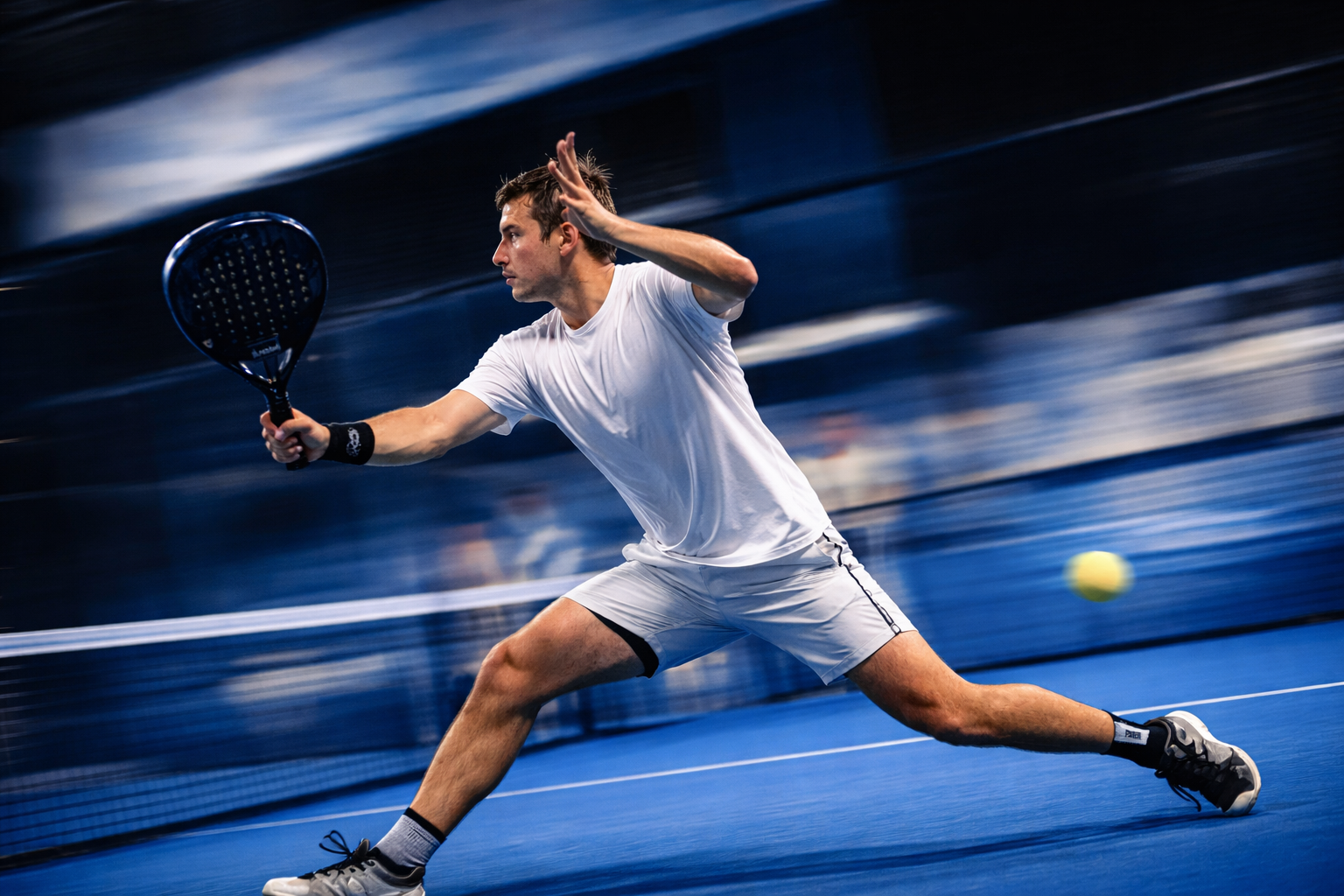
Training serves as the crucial foundation for your development, providing a dedicated space where you can decelerate the pace of the game and hone in on the nuances of technique. It's an environment free from the intense pressures of competition, allowing you to refine your skills and correct any mistakes at your own pace. Whether you’re meticulously working to perfect your forehand, strategically focusing on your positioning on the court, or mastering the art of utilizing the walls to your advantage, training offers you the invaluable opportunity to cultivate and strengthen your abilities in a controlled setting. In this nurturing atmosphere, each practice session becomes a stepping stone towards greater mastery and confidence in your game.
Without consistent training, players often fall into the trap of making the same mistakes during matches. While you might manage to score some points here and there, your overall development will likely stagnate. Engaging in regular practice not only sharpens your skills but also helps you establish positive habits that contribute to a more stable and dependable performance as time goes on. This commitment to training is essential for evolving your game and ensuring steady improvement.
Why playing is just as important
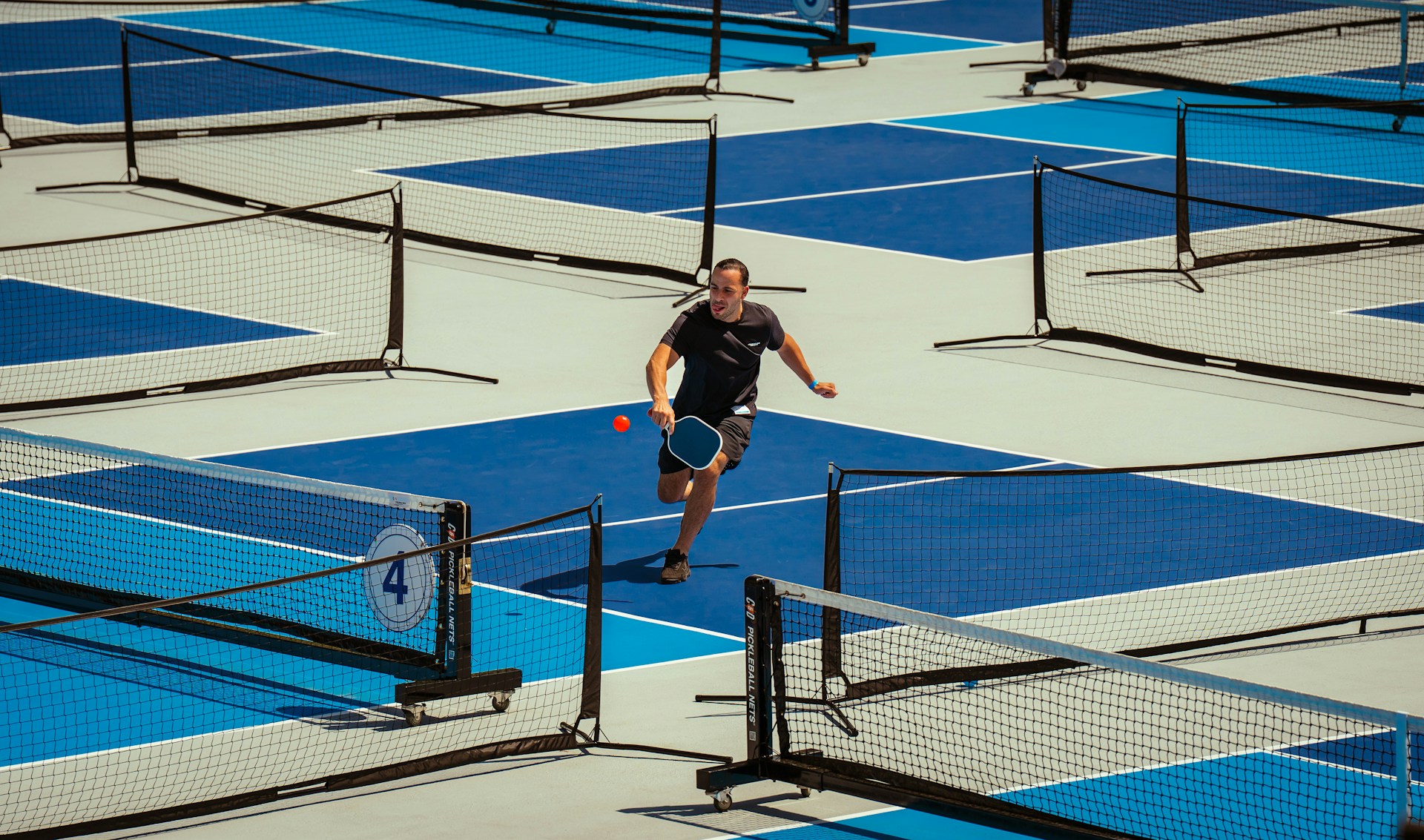
While training is essential for honing your skills and improving your technical abilities, participating in matches offers a unique opportunity to apply what you've learned in a real-world setting. Matches present aspects that practices often can't replicate, such as the intense pressure of competing against an opponent, the unpredictability of the game's flow, and the necessity to make quick, effective decisions in real time. These experiences help you to not only test your skills under challenging conditions but also to adapt and strategize on the fly, ultimately contributing to your overall development as a player. Engaging in competitive play helps you to understand the nuances of teamwork, communication, and situational awareness, which are crucial for success both on and off the field.
As you immerse yourself in regular play, you gradually develop a deeper understanding of the game's intricate rhythm. You start to recognize the perfect moments to launch an aggressive attack, the instances where it’s wiser to adopt a defensive stance, and how to adjust your strategy in response to the unique playing styles of various opponents. This growing experience is invaluable, as padel transcends mere technical skill — it hinges on your ability to make split-second decisions that can turn the tide of a match. Each game becomes a dynamic dance of choices, where awareness and intuition guide you through every rally.
The risk of doing only one
Concentrating solely on training sessions can lead to a game that feels well-rehearsed in terms of technical skills, yet may fall short when it comes to the confidence needed for real-match scenarios. While you might perform drills with precision and demonstrate an impressive level of skill during practice, you may find it challenging to translate that same level of execution when faced with the pressures and unpredictability of an actual game. The environment of a match introduces various factors—such as opponents, time constraints, and in-game adjustments—that can significantly affect your performance. Therefore, it is crucial to balance skill development with strategies that build mental toughness and adaptability to ensure that the abilities honed in practice can be effectively utilized in competitive situations.
When you engage in play without the benefit of training, it's common to experience a sense of stagnation in your abilities. Instead of building upon your skills through structured practice, you may find yourself relying primarily on instinct and repetitive actions. This approach can limit your growth, making it increasingly difficult to identify and correct mistakes or to acquire new skills. Without focused training, the opportunity to refine your techniques and push your boundaries diminishes, trapping you in a cycle where improvement feels unattainable. Ultimately, this lack of development can hinder your overall progress and enjoyment of the activity.
How to find the right balance
The ideal balance depends on your level, goals, and schedule, but most players benefit from combining both throughout the week. Training sessions should focus on improving specific aspects of your game, while matches should be used to test and apply those improvements.
For beginners, spending slightly more time on training can help build a strong foundation. Intermediate players often benefit from an even split, while advanced players may lean more toward match play while still maintaining regular technical sessions.
The key is consistency. Even one focused training session combined with a few matches each week can lead to noticeable improvement.
Final thoughts
Training and playing should not be seen as opposing methods; rather, they are complementary components of a holistic learning experience. Training focuses on developing and refining your skills through structured practice, drills, and exercises. It allows you to deepen your understanding of techniques and mechanics, setting a strong foundation. On the other hand, playing in a game-like environment offers a dynamic context where you can apply those skills in real-time. This experience helps you learn adaptability, decision-making, and situational awareness.
When you effectively combine training and playing, you create a synergistic approach to improvement. Training equips you with the necessary tools, while playing teaches you how to leverage those tools in various scenarios. This integration fosters a more intuitive grasp of your abilities, allowing you to navigate challenges with greater confidence.
Finding the right balance between these two facets might require some experimentation and patience. Focusing too much on one aspect can stall progress. Achieving balance leads to more natural and rewarding growth.



.svg)
.svg)